
Athenaeum Theatre 188 Collins Street, Melbourne, VIC - 1953 Surround sound
Uploaded By

Featured Theater

Melbourne, AU
More Photos


Photo Info
Uploaded on: January 15, 2026
Size: 83.2 KB
Views: 524
License:

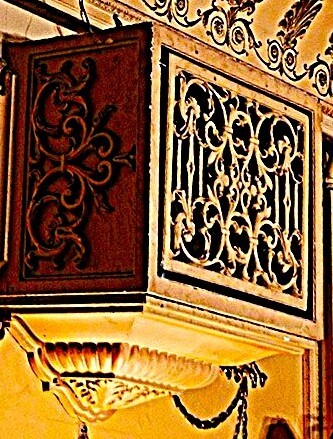
Photo - The image on this page is a speaker box placed on the Athenaeum theatre side wall. This was used to supply surround sound directly to an audience during the theatre’s life as a cinema (also known as AP’s-Audience Participation Speakers)
First popularized in the early 1950s to be used with wide-screen formats like CinemaScope. This technology introduced the practice of placing surround speakers around the walls of a theater to create a three-dimensional audio environment.
Technical Implementation: Audio was recorded onto four magnetic “stripes” of oxide material applied directly to 35mm film. This differed from standard optical tracks by using magnetic playback heads similar to a tape recorder. The “Fourth” Track: While three tracks powered speakers behind the screen (Left, Center, Right), the fourth track was dedicated exclusively to surround effects. (thus the speakers placed around the walls of theatres)
Surround Speaker Configuration - Wall Placement: To achieve “stereophonic” immersion, multiple speakers were mounted around the auditorium walls—sides and rear—to deliver ambient sounds and special effects that seemed to move around the audience. - Channel Routing: This fourth channel, often called the “effects” or “surround” (refer to the image on this page)
History and Development - The system debuted in 1953 with the film The Robe, used alongside the CinemaScope widescreen process with great effect to compete with the rising popularity of television. From what I can see the original surround speakers from the 50’s are still installed on the Athenaeum walls.
Contributed by Greg Lynch -
 No one has favorited this photo yet